Source Disposable Helium Balloon Cylinder for Events
Find and compare 23 disposable helium balloon cylinder options from verified suppliers. Evaluate specifications like volume, pressure ratings, and material to select the right gas storage equipment for your balloon inflation needs; compare the available evidence and request quotations based on your requirements.
Key considerations
Products List


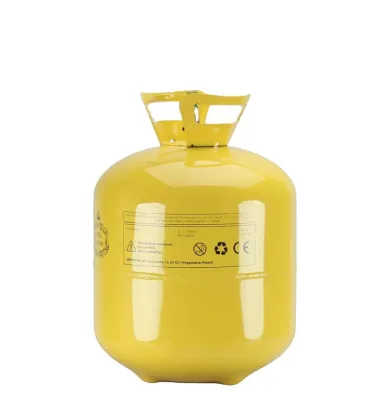
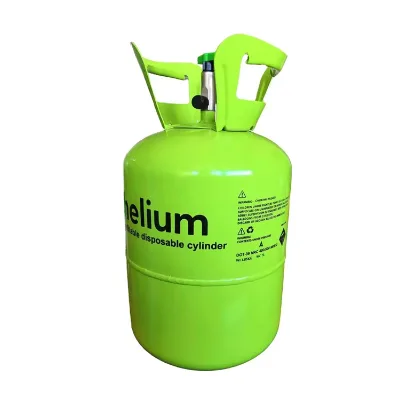
Comprehensive Sourcing Guide
Disposable Helium Balloon Cylinder Sourcing Guide
Procuring high-pressure storage and transportation equipment for helium requires a clear understanding of the distinction between standard industrial cylinders and specialized disposable units. The market offers a wide array of products, ranging from robust steel cylinders designed for repeated use to lightweight, single-use containers intended for event logistics. Buyers must first determine whether their operational model demands the durability of a reusable tank or the convenience of a disposable unit. This decision impacts everything from initial capital expenditure to long-term waste management and regulatory compliance.
The observed product landscape includes various models such as the DHC, HBC Series, and POI, each with distinct physical and chemical properties. While some listings highlight features like double-acting mechanisms or specific pressure directions, the core function remains the safe containment and dispensing of non-flammable gases like helium. Understanding these technical nuances is essential for selecting the right equipment for specific applications, whether for commercial balloon inflation services or large-scale event management.
Product Scope and Observed Listing Signals
The current market presents a diverse range of cylinder types, with observed listings indicating a price range from $1.5 to $158 USD. This significant variance often reflects differences in material quality, capacity, and intended usage frequency. Buyers should note that while some products are marketed as "disposable," others may be reusable steel cylinders with a lower initial cost but higher long-term value. The minimum order quantities (MOQ) observed range from 50 to 5,760 units, suggesting that bulk purchasing is common and can significantly influence unit pricing and logistics planning.
Product attributes vary widely, with some cylinders featuring a net weight of 1.4kg and others weighing up to 5.1kg. Capacities also differ, with specific models offering volumes of 3.4L, 13.6L, or 22.3L. These specifications are critical for determining the number of balloons that can be inflated per cylinder. Additionally, packaging options include carton packing, cartons, and pallet packages, which affect shipping costs and storage requirements. Buyers must carefully match these physical attributes to their operational needs to avoid over-specifying or under-provisioning their inventory.
Technical Specifications to Verify
When evaluating technical specifications, the outside diameter and height of the cylinder are crucial for storage and handling efficiency. Observed dimensions include an outside diameter of 188mm and a height of 242mm for certain models, while others may have different footprints. The design wall thickness, noted as 1.2mm in some listings, is a key indicator of structural integrity and safety margins. Buyers should verify these dimensions against their storage constraints and handling equipment to ensure compatibility and ease of use in high-volume environments.
Pressure ratings are another critical technical factor. Some cylinders have a test pressure of 23bar and a minimum burst pressure of 55.2bar, which provides a safety factor for normal operations. It is essential to confirm that the cylinder’s pressure rating matches the helium supply pressure to prevent leaks or failures. Additionally, the material composition, typically steel or metal tank variants, affects durability and resistance to corrosion. Buyers should request detailed technical datasheets to verify these parameters and ensure they meet the specific demands of their helium dispensing applications.
Compliance and Safety Documentation
Compliance with international and regional standards is non-negotiable for gas cylinders. Listings may reference certifications such as GB, TUV, GS, QS, and ISO, indicating adherence to specific safety and quality benchmarks. Buyers must verify that the cylinders meet the regulatory requirements of their destination market, as standards like DOT, ISO, and TPED vary by region. Ensuring that the supplier can provide valid certification documents is crucial for avoiding customs delays and ensuring legal operation of the equipment.
Safety documentation should also include clear instructions for filling, handling, and storage. The cylinders are designed for non-flammable gases like helium and industrial pure air, but proper handling procedures are still necessary to prevent accidents. Buyers should ensure that the supplier provides comprehensive safety manuals and that the cylinders are marked with appropriate warning labels and identification codes. This documentation is vital for training staff and maintaining a safe working environment, especially in high-traffic event settings.
Cost Drivers and Commercial Terms
Several factors influence the total cost of ownership for helium cylinders. The initial purchase price is just one component; buyers must also consider shipping costs, which are affected by the weight and volume of the cylinders. Observed weights range from 1.4kg to 5.1kg, and packaging dimensions such as 245mm245mm430mm impact freight charges. Additionally, the MOQ requirements can affect cash flow, as larger orders may offer better unit prices but require more upfront capital and storage space.
Customization options, such as branding or specific pressure ratings, may incur additional costs. Buyers should clarify whether these services are included in the base price or charged separately. Payment terms, lead times, and warranty policies are also critical commercial considerations. Understanding these terms helps in budgeting accurately and avoiding unexpected expenses. Buyers should negotiate clear terms regarding returns, replacements, and liability for defective units to protect their investment.
Supplier Qualification and Quality Control
Selecting a reliable supplier is paramount for ensuring product quality and consistency. Buyers should verify the supplier’s manufacturing capabilities and quality control processes. Suppliers located in regions like Shanghai and Ningbo in China may have established production lines, but buyers must confirm their ability to maintain consistent quality across batches. Requesting samples before placing large orders is a prudent step to evaluate the physical quality, finish, and functionality of the cylinders.
Quality control should extend to the testing and inspection of each cylinder. Buyers should inquire about the testing procedures used, including pressure tests and leak checks. Suppliers with robust QC systems will provide test reports or certificates of conformity for each batch. Additionally, buyers should assess the supplier’s responsiveness and support services, as these factors can impact the overall procurement experience. A qualified supplier will be transparent about their processes and willing to address any concerns promptly.
Long-Term Procurement Checks
Long-term success in sourcing helium cylinders depends on establishing a sustainable supply chain. Buyers should monitor market trends and price fluctuations to optimize purchasing timing. Building a relationship with a reliable supplier can lead to better pricing, priority production, and improved support. Regularly reviewing supplier performance against key metrics such as delivery times, product quality, and customer service is essential for maintaining a high standard of procurement.
Additionally, buyers should stay informed about changes in regulations and standards that may affect the use and disposal of helium cylinders. As environmental concerns grow, the availability of recyclable or reusable options may increase. Buyers should consider the end-of-life options for their cylinders and ensure that their procurement strategy aligns with sustainability goals. By staying proactive and informed, buyers can mitigate risks and ensure a steady supply of high-quality helium cylinders for their operations.
FAQs
What is the water capacity of the DHC model cylinder?
The DHC model cylinder has a water capacity of 3.4 liters. This specification defines the internal volume available for storing compressed gas. It is designed for high-pressure storage and transportation of helium. The compact size allows for efficient handling and integration into various industrial or commercial applications requiring reliable gas supply.
Can the cylinder be customized for specific industrial needs?
Yes, customization is available for these high-pressure storage cylinders. Buyers can request specific modifications to meet unique operational requirements. The product is listed as customized, allowing for tailored solutions. This flexibility ensures that the equipment aligns precisely with the intended application, whether for helium storage or other industrial gas handling tasks.
What certifications are required for the HBC Series cylinders?
The HBC Series cylinders carry certifications including GB, TUV, GS, QS, and ISO. These standards ensure compliance with international safety and quality regulations. The products are manufactured in China, specifically in Shanghai and Ningbo. These certifications provide assurance of structural integrity and performance for high-pressure gas storage applications.
What is the minimum order quantity for these cylinders?
The minimum order quantity ranges from 50 to 5,760 units depending on the specific model and configuration. This variability allows buyers to select quantities that match their inventory needs. The wide MOQ range accommodates both small-scale procurement and large industrial orders. Buyers should verify the exact MOQ for their chosen model during the sourcing process.
How is the cylinder packed for safe transportation?
The cylinders are packed in cartons or on pallets for secure shipping. This packaging method protects the steel tanks during transit. The net weight of individual units is approximately 1.4 to 5.1 kilograms. Proper packing ensures that the high-pressure equipment arrives in new condition, ready for immediate installation or storage in industrial facilities.
What is the test pressure rating for these steel cylinders?
The test pressure rating for these steel cylinders is 23 bar. This rating indicates the pressure level at which the cylinder is tested for safety. The minimum burst pressure is significantly higher at 55.2 bar. These pressure ratings ensure the cylinder can safely contain helium and other non-flammable gases under standard operating conditions.